
Roof insurance claims in Texas can feel confusing, especially after hail, wind, or another major storm damages your home. Between inspections, deductibles, insurance adjusters, depreciation, supplements, and repair decisions, there can be a lot to understand. This guide explains the roof insurance claim process and what Texas homeowners can expect from the initial inspection through completing the roofing work.
What happens when the insurance adjuster comes out? Why does the insurance estimate show depreciation? And what happens if your roofing contractor finds damage that wasn’t included in the original estimate?
Understanding roof insurance claims in Texas before you file can make the process much easier and help you know what to expect at each step.
At Tackett Roofing, we believe homeowners should understand what is happening to their home throughout the process. Here’s what Texas homeowners should know when dealing with roof damage and insurance.
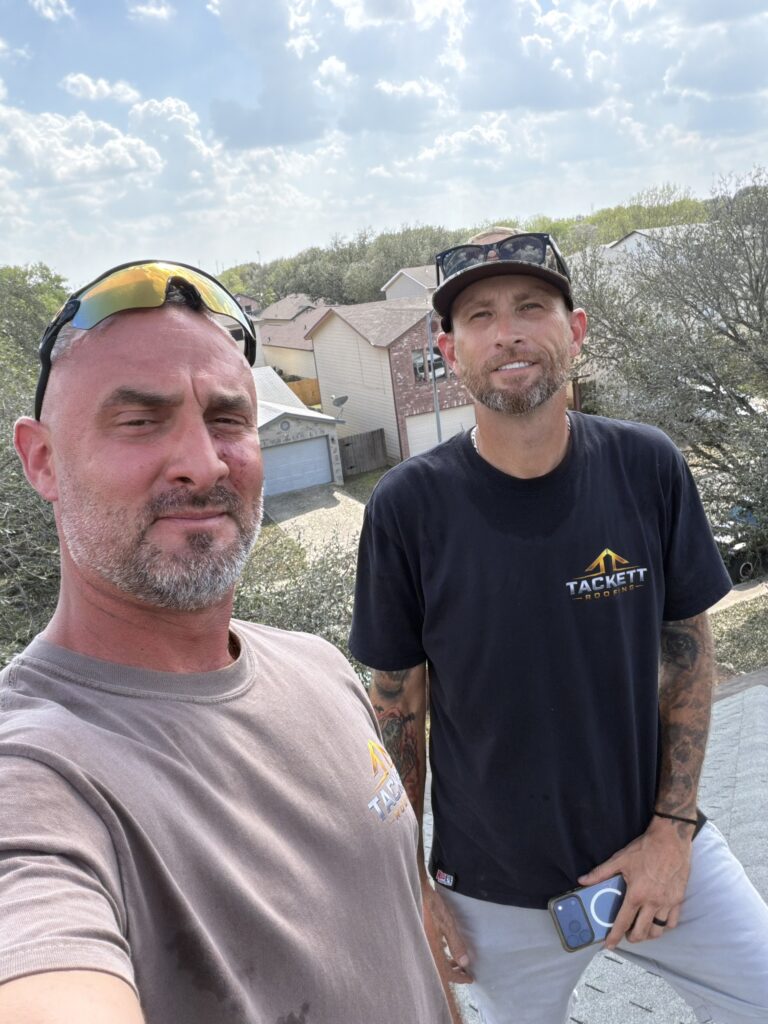
Step 1: Have the Roof Professionally Inspected
After hail, high winds, or another severe storm, roof damage isn’t always obvious from the ground.
Missing shingles are easy to spot, but storm damage can also include lifted or creased shingles, damaged flashing, hail impacts, damaged vents and accessories, and other issues that require a closer inspection.
Before assuming you need a new roof—or that you need to file an insurance claim—start with a professional roof inspection to determine the condition of the roofing system.
A professional inspection can document the condition of the roof and help you understand whether there appears to be storm-related damage worth discussing with your insurance company.
Important: Your roofing contractor determines what roofing work is needed and what it will cost. Your insurance company determines whether that damage is covered under your policy.
Step 2: Understand Your Deductible Before Filing
Before filing a claim, check your homeowners insurance policy or contact your insurance company to determine your deductible.
Texas homeowners may have a separate wind and hail deductible, and percentage-based deductibles can result in a much larger out-of-pocket expense than homeowners expect. The Texas Department of Insurance recommends understanding exactly what your deductible equals in dollars before deciding how to proceed with a claim.
And despite what you may hear after a storm, your deductible cannot legally be waived by a roofing contractor in Texas. Contractors cannot absorb it, rebate it, or inflate an estimate to offset it.
If someone tells you they’ll “eat your deductible,” that’s a reason to ask more questions—not a special deal.
Step 3: Filing Roof Insurance Claims in Texas
If you decide to file a claim, the homeowner should contact the insurance company directly.
Keep a record of your claim number, the date the claim was filed, your adjuster’s name and contact information, and any documents or photographs you submit.
The Texas Department of Insurance also recommends photographing the damage and recording when you first noticed it. Document the weather event, protect the property from additional damage when necessary, and keep receipts for temporary repairs.
Step 4: The Insurance Adjuster Inspects the Property
After the claim is filed, your insurance company will typically assign an adjuster to inspect the property.
Whenever possible, we recommend coordinating the adjuster’s appointment with your roofing contractor.
Why?
Your roofer has already inspected the roof and can point out physical damage. They can also discuss roofing components and installation requirements, provide measurements and documentation, and answer construction-related questions.
Texas Department of Insurance consumer guidance specifically notes that it’s a good idea to have your contractor present when the insurance adjuster looks at the damage.
That does not mean your roofer is acting as your insurance adjuster or determining coverage. Those are separate roles.
Step 5: Review the Insurance Estimate
If the insurance company determines there is covered damage, you’ll generally receive an estimate outlining what it has included in the claim.
Don’t be surprised if that estimate looks complicated.
You may see terms such as:
RCV — Replacement Cost Value
The estimated cost to repair or replace the damaged property at current prices.
ACV — Actual Cash Value
The value of the damaged property after applicable depreciation.
Depreciation
A reduction in value generally related to factors such as age and condition.
Deductible
The portion of the covered loss that you’re responsible for paying.
The way your roof is covered matters considerably. Some policies provide replacement-cost coverage, while others provide actual-cash-value coverage that can pay substantially less for an older roof.
Step 6: Have Your Roofing Contractor Review the Scope of Work
An insurance estimate and a roofing contractor’s scope of work don’t always look identical.
Your contractor should determine what the roofing project actually requires. This may include materials, quantities, accessories, flashing, ventilation, applicable code requirements, and manufacturer installation requirements.
If your contractor discovers legitimate additional work that the original insurance estimate didn’t include, the contractor can submit supporting documentation to the insurance company for review.
The insurance carrier ultimately determines what it will or will not cover under the policy.
What About Supplements?
You’ll often hear the word “supplement” during an insurance restoration project.
A supplement is essentially additional documentation concerning work or costs that weren’t included in the insurance company’s original estimate.
For example, once work begins, your contractor may discover additional required materials or conditions that weren’t visible during the initial inspection.
A contractor can provide estimates, photographs, measurements, invoices, and other construction documentation supporting the work being performed.
However, Texas law draws an important line: a contractor performing the repairs cannot act as the homeowner’s public insurance adjuster or negotiate the insurance claim on the homeowner’s behalf.
Why Did I Receive Two Insurance Checks?
Homeowners with replacement-cost coverage may receive insurance proceeds in stages.
The first payment may reflect the initial covered amount after depreciation and the deductible. After the contractor completes qualifying repairs and submits the required documentation, the insurance company may release recoverable depreciation according to the terms of your policy.
That is why receiving an initial check for substantially less than the total roof replacement cost doesn’t necessarily mean something is wrong with the claim.
Your specific payment process depends on your policy and claim.
Does Insurance Have to Replace My Entire Roof?
Not necessarily.
Insurance coverage depends on your policy, the cause and extent of the damage, and the carrier’s determination of the covered loss.
For example, the Texas Department of Insurance notes that an insurer might not pay to replace an entire roof simply because replacement shingles don’t perfectly match the existing shingles.
That’s another reason good documentation matters. The condition of the existing roof, storm damage, repairability, roofing system, materials and required installation all need to be accurately documented.
Be Careful After a Major Hailstorm
Unfortunately, severe storms also bring an influx of contractors into affected neighborhoods.
Before signing anything, ask who you’re doing business with.
Look for an established company with insurance, verifiable reviews, and manufacturer credentials where applicable. Ask for a written scope of work and clear payment terms. A reputable contractor should also be willing to explain the project without pressuring you to sign immediately.
And remember: a promise to waive your deductible isn’t a benefit. It’s illegal in Texas.
Help With Roof Insurance Claims in Texas
At Tackett Roofing, our job is to help you understand your roof and the roofing work involved in the insurance claim process.
We can inspect the property, document roofing damage, and explain what we find. We can also develop a detailed scope of work, provide pricing, and meet with the insurance adjuster to discuss the physical roofing work. Once you’re ready to move forward, our team can complete the repairs or replacement according to the agreed scope.
We don’t determine whether your insurance company owes for a loss, and we don’t act as your public insurance adjuster.
What we will do is make sure you understand the roofing side of the process so you can make informed decisions about your home.
If your San Antonio-area home has been affected by hail, wind, or another severe storm, contact Tackett Roofing to schedule a roof inspection.
Tackett Roofing
210-761-7663
You handle life. We’ll Tackett From Here.
Leave a Reply